Concerned About a Rough, Sun-Damaged Patch of Skin?
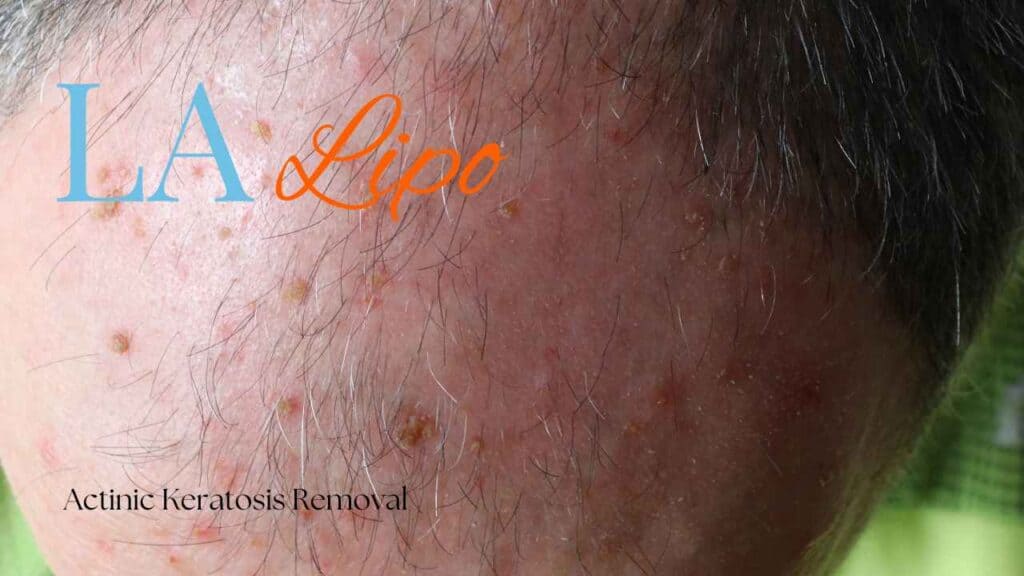
Many people first notice an actinic keratosis because it feels different rather than looks different.
It may start as a rough, dry patch that doesn’t seem to heal. Some people describe it as feeling like sandpaper, while others notice flaky skin that keeps returning in the same spot despite using moisturisers or skincare products.
At LA LIPO, one of the questions we’re asked most often is whether these stubborn patches can be treated using CryoPen. The answer depends on the individual lesion, which is why every consultation begins with a careful assessment before we recommend any treatment.
One thing we often notice is that people have lived with these patches for months, sometimes even years, assuming they’re simply dry skin. It’s often only when the area becomes more noticeable, catches when shaving, or continues returning that they decide to seek professional advice.
What Is Actinic Keratosis?
Actinic keratosis (sometimes called solar keratosis) is a rough, scaly patch of skin caused by years of exposure to ultraviolet (UV) radiation from the sun or sunbeds.
These lesions most commonly develop on areas that receive regular sun exposure, including:
- Face
- Forehead
- Scalp
- Ears
- Nose
- Neck
- Back of the hands
- Forearms
They are more common as we get older because sun damage builds up gradually over many years.
Although many actinic keratoses remain stable, some can develop into a type of skin cancer called squamous cell carcinoma. For this reason, they should always be assessed properly rather than ignored.
Unsure if you need treatment? Call our team today to find out more.
Why Is Assessment So Important?
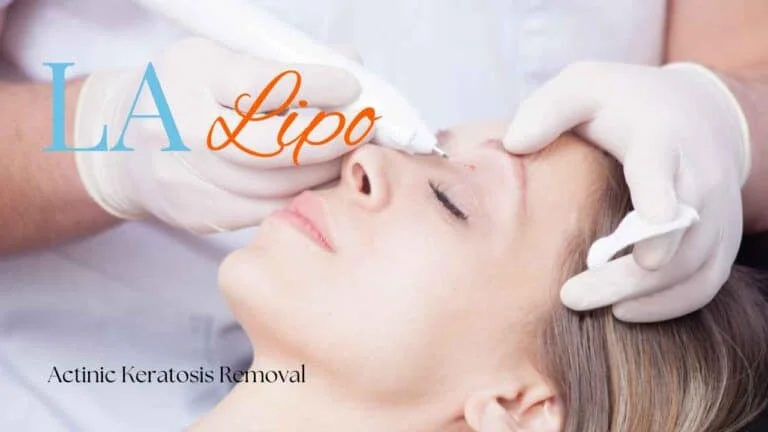
Your practitioner will assess your lesion before proceeding with the treatment using CryoPen.
Every lesion deserves a careful assessment before treatment.
Not every rough patch is an actinic keratosis, and not every actinic keratosis is suitable for CryoPen treatment.
If we have any concerns about the diagnosis, or if the lesion has features that require further investigation, we won’t proceed with treatment. Instead, we’ll explain our concerns and guide you towards the most appropriate next step, which may include seeing your GP or a dermatologist.
Your safety will always come first.
Many people tell us afterwards they wish they’d had the area assessed sooner, particularly after spending months treating what they thought was simply dry skin.
Can CryoPen Be Used to Treat Actinic Keratosis?
Where appropriate, CryoPen uses precisely controlled freezing to destroy the abnormal cells within the lesion.
The freezing itself usually lasts only a few seconds.
Most appointments take around 20–30 minutes because your practitioner will:
- assess the lesion
- discuss your medical history
- confirm treatment suitability
- explain the procedure
- perform the CryoPen treatment
- provide personalised aftercare advice
The aim is to treat the affected tissue while limiting unnecessary damage to the surrounding healthy skin.
Our Advice
“Every actinic keratosis is slightly different. Rather than promising that every lesion can be treated immediately, we always assess the area first and explain what is appropriate based on its appearance, location and your medical history.”
Does the Lesion Disappear Straight Away?
No.
Although CryoPen treats the lesion during your appointment, your body still needs time to heal.
Immediately afterwards, the treated area may:
- turn white briefly
- become red
- feel slightly sore
- develop mild swelling
Over the following days, the area may blister, dry out or form a small crust before healthy skin gradually replaces the treated tissue.
Healing times vary depending on the size and location of the lesion, as well as your body’s natural healing response.
What Surprises Most People?
The treatment itself is usually the quickest part.
Most people spend longer discussing the lesion with their practitioner than they do having CryoPen treatment.
The healing process, however, continues over the following weeks as your skin naturally repairs itself.
A Typical Healing Timeline
Every person heals differently, but this gives a realistic idea of what you may expect.
During your appointment
The lesion is assessed before being treated with CryoPen. You may feel a brief cold or stinging sensation.
During the first 24 hours
The area may feel tender and become slightly red or swollen.
During the first week
A blister or crust may develop. This is a normal part of healing.
Over the following two to four weeks
The treated skin gradually sheds, and healthier skin develops underneath.
Follow-up
If any of the lesion remains once healing is complete, your practitioner may recommend further treatment where appropriate.
Will One Treatment Be Enough?
Some smaller lesions respond well after one CryoPen treatment.
Others may require additional sessions depending on factors such as:
- size
- thickness
- location
- how long the lesion has been present
- your skin’s healing response
We will always explain what is realistic for your individual situation rather than making guarantees.
A Typical Example
One recent client visited us after noticing a rough patch on the side of their forehead that had gradually become more noticeable over several months. They had assumed it was simply dry skin and had tried moisturisers without improvement.
Following assessment, CryoPen treatment was carried out. The freezing itself only took a few seconds, but the healing process continued over the following weeks before healthier skin became visible.
Does CryoPen Hurt?
One of the questions we’re asked most often is whether CryoPen is painful.
Most clients tell us afterwards that it was more comfortable than they expected.
People often describe the sensation as:
- very cold
- stinging
- tingling
- similar to a sharp pinch
The level of discomfort varies depending on the size and location of the lesion.
What Will My Skin Look Like Afterwards?
The treated area may temporarily develop:
- redness
- mild swelling
- tenderness
- a blister
- crusting
- temporary darkening
These changes are usually part of the normal healing process.
Avoid scratching or picking the area, as this may delay healing and increase the risk of infection or scarring.
Can I Return to Normal Activities?
Most people return to work and their usual routine immediately after treatment.
If the treated area is in a location that experiences rubbing or pressure, you may notice some temporary sensitivity.
Your practitioner will explain any aftercare specific to the area being treated.
Can I Wear Makeup Afterwards?
If the treated area is on your face, it’s usually best to avoid applying makeup until the skin has begun healing, particularly if a blister has developed.
Your practitioner will advise when it’s appropriate to resume your normal skincare routine.
Can Actinic Keratosis Come Back?
It can.
CryoPen removes the visible lesion, but years of previous sun exposure mean further actinic keratoses may develop elsewhere over time.
Checking your skin regularly for new rough patches and protecting it from further UV exposure can help identify any future concerns early.
When Should You Seek Medical Advice?
Arrange an assessment if you notice a skin lesion that:
- Continues to grow
- Bleeds without obvious injury
- Changes colour
- Becomes painful
- Repeatedly returns or
- Has an uncertain diagnosis
If you have diabetes, reduced circulation, reduced sensation or another condition that may affect healing, let your practitioner know before treatment. You may be advised to seek medical advice first depending on your individual circumstances.
Why Choose LA LIPO?
At LA LIPO, every lesion is assessed individually before treatment is recommended.
We believe in giving honest advice, explaining realistic expectations and only proceeding when CryoPen is considered suitable.
If we don’t believe a lesion is appropriate for CryoPen treatment, we’ll explain why and help guide you towards the most suitable next step.
Frequently Asked Questions About Actinic Keratosis Removal
Is actinic keratosis skin cancer?
No. However, it is considered a pre-cancerous skin lesion because some cases can develop into squamous cell carcinoma if left untreated.
How long does CryoPen treatment take?
The freezing itself usually lasts only a few seconds, while your appointment will generally take around 20–30 minutes including assessment and aftercare advice.
Will I need more than one treatment?
Some lesions respond after one treatment, while others require additional sessions depending on their size and response.
Will CryoPen leave a scar?
Most people heal well, although every person’s skin is different. Following your aftercare advice can help support normal healing.
Can I drive home afterwards?
Yes. Most people can drive home and continue with their normal daily activities immediately after treatment.
Can I go on holiday after treatment?
If you’re travelling somewhere sunny, protect the treated area carefully from UV exposure. Your practitioner can advise you based on your treatment timing.
Can more than one actinic keratosis be treated during the same appointment?
In many cases, yes. This depends on the number, size and location of the lesions. Your practitioner will discuss the most appropriate treatment plan during your consultation.
Book an Actinic Keratosis Consultation
If you’ve noticed a rough, persistent patch of skin that isn’t improving, arranging an assessment is the best place to start.
At LA LIPO, we’ll carefully examine the area, explain whether CryoPen is suitable and discuss your treatment options without making unrealistic promises.
We aim to help you make an informed decision with honest advice, personalised care and clear aftercare guidance.